
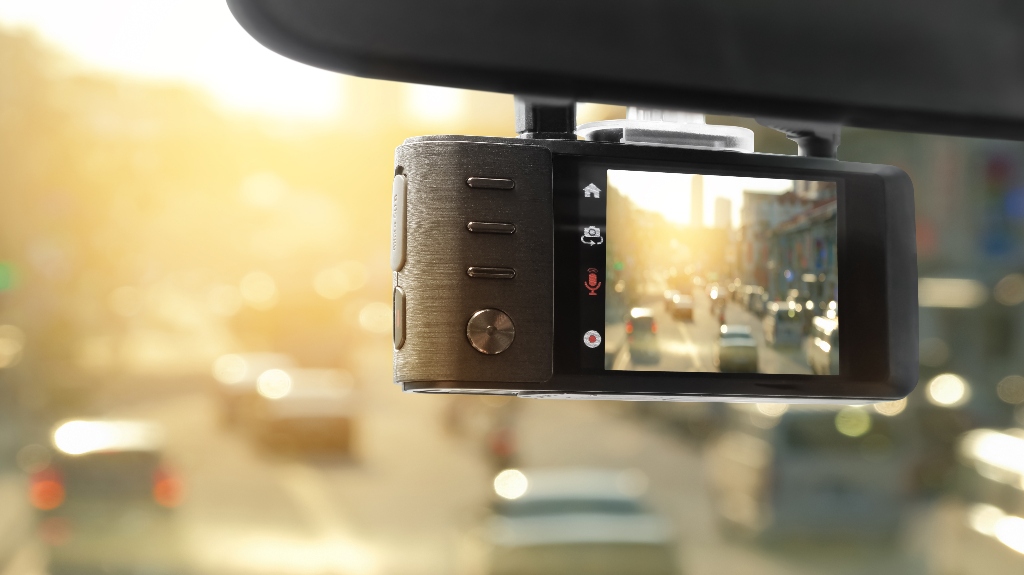
Are Dash Cams Legal in Texas? Using Footage as Evidence
Dashcams are very common now, from daily drivers on I-35E and I-635 to rideshare drivers on streets like Belt Line Road and Greenville Avenue in Dallas, Texas. When a crash happens, a few seconds of video can make a big difference between proving your case and facing an uphill legal battle.
Below is a simple, Texas-focused guide on how to use dashcam video the right way. It explains when recording is legal, how courts may accept the video as evidence, how to save and protect the footage, and how a Texas car accident lawyer can use it with insurance companies and juries to support your case.
Are Dashboard Cameras Legal in Texas?
Recording is usually legal in Texas. Texas follows a “one-party consent” rule for recording conversations. That means if you are part of the conversation, you can record it without telling the other person. If at least one person in the conversation agrees to the recording, it is allowed. Texas law also makes illegal recordings a crime and allows people to sue if their conversations are recorded without proper consent.
Mind Your Windscreen
Texas does not allow anything on your windshield that blocks your view of the road. If your dashcam, its mount, or its cord is in the way, you could get a ticket. In a crash case, the other side might also argue that where you placed the dashcam helped cause the accident.
Privacy Issues
Recording passenger audio is usually allowed if you are part of the discussion. But covertly recording other people’s private conversations can lead to criminal charges and lawsuits. Texas law also lets people sue for monetary damages if their conversations are recorded without proper consent.
When Can Dashcam Video Be Used in a Texas Court?
Texas courts look at dashcam video using the normal Rules of Evidence. No special rules apply to videos. Courts mainly look at four things: whether the video matters to the case, whether it is real and unchanged, whether it is the proper copy, and whether it contains statements that are not allowed as hearsay.
- Relevance: The video must help prove an important fact in the case, like who had the green light. The judge will also check that the video’s value as proof is not outweighed by a risk of unfair bias or confusion.
- Authentication: You must show that the video is real and is exactly what you say it is. You can prove this by using:
- Your testimony: You explain that it is your dashcam, and the time and place are correct.
- Device details: The file data, GPS, time stamp, and camera model match the video.
- System proof: You show the camera works properly and records reliably, even if no person directly saw the event.
- Helpful Texas cases:
- Tienda v. State: Texas courts have a leading case that explains how to prove digital evidence is real by using surrounding details and signs that show it is genuine. The same approach is also used in civil cases.
- Fowler v. State: The Texas Court of Criminal Appeals explained how store security video can be proven real and acceptable as evidence under Rule 901.
- Best-evidence rules: Courts treat photos and videos the same for evidence purposes. For digital files, an “original” can be any accurate copy, printout, or screen version of the video. Copies are usually allowed in court unless someone raises a real question about whether or not they are genuine.
- Hearsay: The video itself is not considered hearsay. But spoken words recorded in the audio can be hearsay in some cases. There are a few common ways lawyers deal with that problem:
- What the other side says can be used as evidence when it is used against them. It cannot be used to help their side.
- Company dashcam records can often be used as evidence if the system saves them automatically, and a company records keeper confirms how they are stored.
How to Avoid Spoliation and Ensure Your Video is Admissible
After a crash happens, and especially once a claim is reasonably expected, you must keep any important evidence. This includes dashcam video and related files. Under Texas law, if someone loses or changes key evidence, the court can punish them or assume the missing evidence would have hurt their case.
To save and protect the evidence, you need to:
- Protect the original storage card right away. Take out the SD or microSD card and lock it so nothing can be changed or recorded over it. Do not keep using it in the camera. Make two exact copies and keep them as read-only files.
- Create a digital fingerprint for each video file. Make a SHA-256 hash for the original file and for each copy, and write those codes down. Keep a simple log that shows who handled the files, when they handled them, and where they were stored. Courts like this kind of careful tracking, even in civil cases.
- Keep the original video files in their original format with all built-in details, like time, GPS, and device info. Do not rely only on screenshots or edited copies. Those may be okay for insurance talks, but courts prefer the original file or a true copy of it.
- Do not edit the video. Do not crop it, add filters, speed it up, or combine clips in your main copy. If a short demo clip is made later, the full original video should also be kept and shared so there are no problems in court.
- Send evidence-preservation letters right away. If another driver, a trucking company, a rideshare company, or a nearby business may have video, a letter can tell them to save it and not delete it. This is important because companies often erase videos on a regular schedule. Under Texas law, the duty to save evidence starts once a lawsuit is reasonably expected.
Sharing Dashcam Footage During Discovery
Texas has special rules for digital evidence like dashcam files.
- Rule 196.4 of the Texas Rules of Civil Procedure covers electronic data. The side asking for the video should say what format they want, such as the original MP4 file with time and GPS data. The side that has the video must provide what they can reasonably access, or explain why the request is too hard or too costly. Courts look at what is fair and reasonable for the case.
- For company or fleet dashcams, lawyers often use a simple sworn statement from the records keeper to show how the video is stored and kept. This can help get the video accepted as business records if it is shared at least 14 days before trial.
Was Your Car Accident Caught on a Dash Cam? Talk to a Texas Car Accident Lawyer Today
Dashcam video can be powerful evidence, but only if it is saved, handled, and used the right way. One mistake with storage or sharing can weaken your claim. Having a lawyer guide the process can make a real difference.
If you were hurt in a crash, contact a Texas car accident lawyer at The Law Office of Sandy McCorquodale, P.C. Call (833) 712-4472 or reach out online to schedule a personal legal consultation.