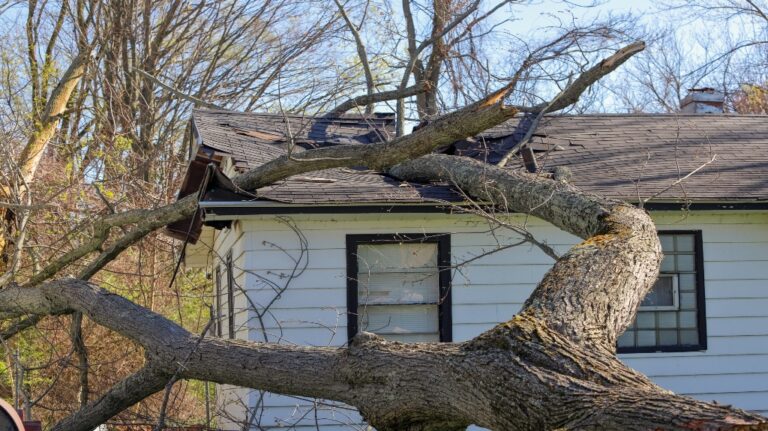

Insurance is designed to provide a safety net and financial protection in case of unexpected events. However, when disaster strikes or liability claims arise, the promise of insurance can turn into a complex legal battle. Policyholders may face dense legal jargon, delayed payments, or even outright denials of coverage in these high-pressure situations. Having a knowledgeable legal representative on your side is not just an advantage – it is a necessity in these difficult times.
We Are The Ones To Call
The law firm has decades of experience in the investigation, preparation and trial of insurance coverage disputes among policyholders, insurers and reinsurers for both insurers and policyholders. Preparation of coverage opinions; representation at alternative dispute resolution proceedings such as arbitrations, mediations and summary jury trials; and litigation in state and federal courts throughout Texas.
This extensive experience means that our firm understands the tactics used by large insurance companies and knows how to effectively counter them. Whether you are a business owner facing complex commercial liability issues or an individual dealing with denied homeowner’s claims, the legal landscape requires precision. We do not simply file paperwork, but engage in a strategic process designed to maximize outcomes for our clients.
This involves a thorough analysis of policy language, which often becomes the first point of conflict in any dispute. Insurance policies are contracts, and, like any contract, specific wording dictates obligations for both parties. Our team of experienced professionals understands this and works to ensure that our clients’ interests are protected. We strive to provide personalized attention and tailored solutions to meet your needs.
The law firm advises clients regarding claims for bad faith, for breach of the duty of good faith and fair dealing, for breach of the Unfair Claim Settlement Practices Act and the Texas Prompt Payment of Claims Act (Chapter 542 of the new Texas Insurance Code, formerly parts of Articles 21.21 and 21.55 of the old Texas Insurance Code), for alleged violations of the Texas Deceptive Trade Practices Act (DTPA), and Stowers claims over the duty to settle.
Types Of Insurance Disputes We Have Handled
The scope of insurance law is wide, covering almost every aspect of business and personal life. Conflicts can arise from unclear policy language, changing risks, or disputes over the value of a loss. Our firm’s experience with a diverse range of cases demonstrates a level of expertise that is rare among law firms. Below, we will take a closer look at specific areas of our practice and explain why legal representation is essential in each case.
Lawyers’ Professional Liability
Legal practitioners are not exempt from lawsuits. If a client claims that the attorney’s negligence has caused them financial harm, professional liability insurance for lawyers comes into play. These cases are highly technical and require a deep understanding of legal standards and causation.
Directors’ and Officers’ Liability
Corporate leaders make difficult decisions that can have a significant impact on shareholders and other stakeholders. D&O liability insurance protects personal assets in case these decisions lead to legal action. Disputes often arise regarding whether the alleged wrongdoing falls within the coverage of the insurance policy.
Comprehensive General Liability
This is the basis of business insurance, covering bodily injury and property damage. However, disputes often arise over whether an incident occurred during business operations or if specific exclusions apply.
Commercial General Liability
Similar to comprehensive liability, disputes under the CGL often involve complex claims for construction defects or slip-and-fall incidents, where the extent of a business’s responsibility is disputed.
Business Interruption Insurance
When a fire or other natural disaster causes a business to temporarily close, it can lead to lost income. In these situations, insurers often dispute the amount of lost profits and the duration of the closure, making forensic accounting and legal assistance essential.
Hurricane Claims
Texas is prone to severe weather conditions. Hurricanes often involve heated discussions about wind and water damage, since many insurance policies exclude flood damage from coverage. Determining the immediate cause of loss can be a controversial issue.
Real Estate Agents’ Errors & Omissions
Real estate transactions involve a significant amount of capital. If a real estate agent fails to disclose a material fact or makes a mistake in the process, E&O insurance policies may be triggered. These disputes focus on the level of care that the agent should have provided.
Insurance Agents’ Errors & Omissions
When an insurance agent fails to provide the correct coverage for a client, they may be held responsible. These cases involve proving that the agent’s actions directly led to an uncovered loss.
Workers’ Compensation
Injured employees rely on these benefits for medical care and lost wages. However, disputes often arise regarding the extent of the injury, whether it was work-related or not, and the calculation of impairment ratings.
Excess and Umbrella Policies
These policies come into play when the primary coverage limits are reached. Coverage disputes in this situation are crucial because they involve large sums of money. Insurers may argue that the primary insurance policy was not fully used up.
Equipment Breakdown Policies
Modern businesses rely on machinery. When equipment fails, it is important to determine the cause of the problem: is it a mechanical breakdown or an operator error? This distinction can help determine what type of coverage is needed.
Health Insurance Policies
Denied medical claims can have a significant impact on a person’s life. Disputes often arise due to network restrictions, pre-existing conditions, and the need for medical procedures.
Disability Insurance Policies
When an injury prevents someone from working, disability income can be crucial. However, insurers often challenge the definition of disability or claim that the insured can still work in another capacity.
Business Overhead Expense Policies
This coverage helps ensure that lights stay on for a business owner who becomes disabled. Disputes often arise over whether a particular expense is necessary during the period of disability.
ERISA Disputes
Employee benefit plans are regulated by federal law, which takes precedence over state law. ERISA (Employee Retirement Income Security Act) litigation is highly technical and requires specialized federal court knowledge.
Fidelity Insurance
This covers losses caused by employee dishonesty or theft. Proving dishonesty can be challenging, and insurers often examine the internal controls of a business to ensure that they are in place to prevent such incidents.
Non-Profit Organization Policies
Non-profit organizations face unique challenges, including volunteer liability and fundraising concerns. Insurance coverage must be tailored to their specific operations.
Homeowners Policies
For many people, their home is their biggest asset. Disputes over fire, theft, or storm damage can be very stressful. Insurers may underestimate the replacement cost or refuse to payout on claims due to maintenance issues.
Equine Mortality Policies
Horses are a significant investment for many Texans. Insurance policies cover deaths resulting from accidents or illness, but disputes may arise regarding the cause of death and the value of the animal.
Life Insurance Policies
Beneficiaries should not have to struggle for their death benefits. Common disputes arise from contestability clauses, suicide exclusions, or misrepresentations in the application.
Annuity Policies
These financial products provide a source of income. Disputes may arise regarding surrender charges, interest calculations, or the suitability of the product being sold.
Learn About Disputes Among Business Owners
Contact S. McCorquodale, P.C. Today for Insurance Claims Located in Dallas & Houston
Facing insurance claim issues? Don’t navigate it alone. Our experienced attorneys are here to help you get the compensation you deserve. Contact us today for a consultation.
Common Insurance Claims FAQs
We have extensive experience handling a wide spectrum of insurance coverage disputes across Texas. Our practice includes complex commercial matters such as Directors’ and Officers’ (D&O) Liability, Lawyers’ Professional Liability, Commercial General Liability (CGL), and Business Interruption Insurance. We also represent individuals and businesses in disputes involving Hurricane Claims, Workers’ Compensation, Homeowners Policies, Life Insurance, Annuity Policies, and even specialized areas like Equine Mortality Policies. Whether you are dealing with a denial under an Excess and Umbrella Policy or a dispute regarding ERISA, we have the knowledge to navigate the nuances of virtually any type of insurance contract.
Under Texas law, insurers have a legal duty to deal fairly and in good faith with their policyholders. “Bad faith” occurs when an insurance company denies benefits, delays payment, or fails to investigate a claim without a reasonable basis. If an insurer prioritizes its own profits over your legitimate needs, they may be acting in bad faith. Our firm advises clients regarding claims for breach of the duty of good faith and fair dealing. We also handle violations of the Texas Prompt Payment of Claims Act (Chapter 542 of the Texas Insurance Code) and the Unfair Claim Settlement Practices Act.
A Stowers claim refers to a specific duty an insurer owes to its policyholder. Stemming from the Texas Supreme Court case G.A. Stowers Furniture Co. v. American Indemnity Co., this doctrine requires an insurer to accept a reasonable settlement offer made by a third-party claimant (the person suing you) when the insured’s liability is clear and the claim exceeds the policy limits. If an insurer fails to do so and a judgment is later entered against you for an amount greater than the policy limits, the insurer may be liable for the entire judgment.
We represent both policyholders and insurers. Our unique position comes from decades of experience investigating, preparing, and trying insurance coverage disputes from all sides of the table. We understand the strategies used by insurers to deny or limit coverage because we have worked alongside them, and we understand the frustration of policyholders because we have fought for them.
The Texas Prompt Payment of Claims Act (TPPCA) is a powerful tool designed to hold insurance companies accountable for delays. In Texas, once an insurer receives notice of a claim, they are required by law to investigate, accept, or reject the claim within strict statutory deadlines. If the insurer fails to pay a valid claim within the required timeframes, they may be liable for the original claim amount plus interest, penalties, and reasonable attorneys’ fees.
The Texas Deceptive Trade Practices Act (DTPA) prohibits false, misleading, or deceptive acts in the conduct of trade or commerce—including the business of insurance. If an insurance company misrepresented the terms of your policy, misled you about your coverage, or engaged in unfair settlement tactics, you may have a claim under the DTPA.
Related Articles
-
Steps and Deadlines for Reporting Texas Workplace Injuries
An injury at work can happen in seconds. One moment you are focused on the task in front of you, and the next you are trying to figure out what just happened and what you should do next. In Texas, knowing exactly when and how to report a workplace injury can make the difference between…
-
How to Handle Property Damage Claims After a Texas Storm
Texas experiences a fair amount of severe weather, particularly in the storm season, which can bring intense winds, flash floods, and even tornadoes. All of these different conditions have the ability to cause thousands of dollars in damage. While it can be a stressful and upsetting experience, when property damage occurs from a storm, it…
-
Deadlines & Penalties for Texas Prompt Payment of Claims Act
The Prompt Payment Act of 2003 is incorporated into the Texas Insurance Code to protect your rights. It stops possible late payments or underpayments that are less than the full amount you actually deserve. It requires insurers to pay claims within 60 days of receiving all of the necessary information. Failure to abide by these…